4 Ways to Make Sparkling Water at Home
Carbonation water at home is a simple and easy way to have a non-alcoholic and sugar fee beverage any time you want it. Not only can it save you a few bucks in the long run, but you've got total control over the fizz and flavor. Let's dive into some of the ways you can get that delightful sparkle going right in your own home.
Note: We do not mention the SodaStream in this article, as these are meant to be methods you can do simply and easily if you are starting with a kegerator or other beer serving system. If you are looking for a SodaStream alternative, method one below does bottles at a time as well!
The "Single Serving" Sparkler: Ball Lock Carb Cap
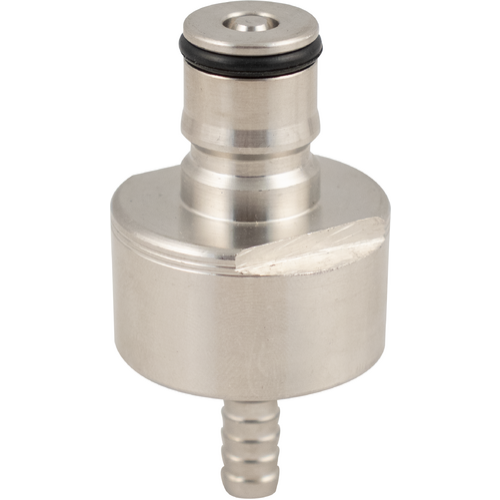
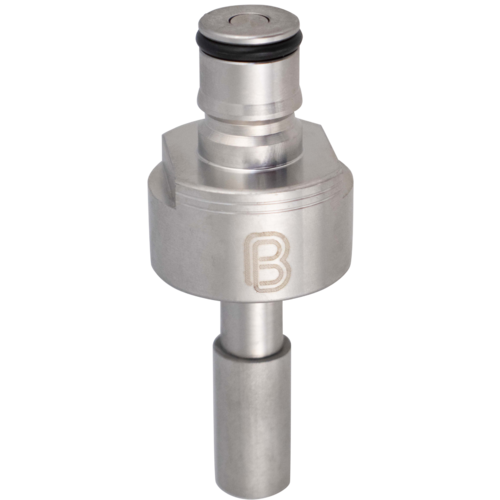
If you're just dipping your toes into the carbonation world, or maybe you're the only one in the house who downs sparkling water like it's going out of style, this setup is a great starting point.
You'll need a Carbonation Ball Lock Quick Disconnect Cap. These are usually made of stainless steel and are designed to fit right onto a standard soda bottle. Think of it as a fancy lid that lets you inject CO2 into your water. For an even better, quicker bubble, you can pair this with a 2-micron carb stone. This little gizmo screws into the ball lock cap and helps to diffuse the CO2 gas into smaller bubbles, leading to a smoother, more pleasant carbonation. It's like giving your water a spa treatment.
How to Use:
The process is pretty straightforward: all you need is your standard CO2 and regulator that you use for your kegerator, the aforementioned Carb Cap, and a ball lock disconnect. Fill your bottle part way with cold water (cold water absorbs CO2 much better, by the way!), squeeze out the remaining air in the bottle, attach the cap with the carb stone, connect your CO2 tank, and let it do its thing. You'll typically be carbonating one bottle at a time, which is perfect for immediate gratification.
Pros:
Cost-Effective Entry: Generally the most affordable way to start home carbonation.
Simplicity: Straightforward to set up and use, especially for beginners.
Portability: Small and easy to move around or take with you.
Individual Servings: Perfect for making a single bottle at a time, ideal for personal consumption.
Improved Carbonation (with stone): The carb stone helps create finer bubbles for a smoother mouthfeel.
Individualized Flavors: Can flavor each soda bottle with different flavors, or leave it flavorless
Cons:
Low Volume: Only carbonates one bottle at a time, which can be slow if you need a lot.
Manual Process: Requires connecting and disconnecting for each bottle.
Potential for Over-Carbonation: Without careful monitoring, it's possible to over-carbonate a single bottle.
The "Party Starter" Carbonator: Keg Lid for Corny Kegs

Now, if you're entertaining, or just really, really love fizzy water, you might want to think bigger. This is where the corny keg setup comes into play.
For the more serious carbonation enthusiast, a Carbonating Keg Lid with a 0.5-micron diffusion stone for a corny keg is the way to go. This allows you to carbonate a much larger batch, typically around 5 gallons. Similar to the smaller setup, the diffusion stone is key here. The 0.5-micron stone creates very fine bubbles, ensuring efficient and even carbonation throughout the entire keg.
How to Use:
You'll need a the same, CO2 tank, regulator, and 2 ball lock disconnects mentioned before, as well as a corny keg, and the specialized lid. Once it's all hooked up, you can carbonate your entire 5-gallon batch of water. It's a fantastic option for parties or if you want a steady supply of bubbly on hand.
Pros:
High Volume: Capable of carbonating large batches (typically 5 gallons).
Efficient Carbonation: The 0.5-micron diffusion stone ensures excellent gas dispersion for a consistent result.
Batch Carbonation: Prepare a large quantity at once, ideal for events or steady supply.
Scalability: Fits into a larger homebrewing or beverage system.
Flavor Batches: Can flavor several gallons at a time with ease
Cons:
Higher Initial Investment: Requires a kegerator set up, corny keg, CO2 tank, regulator, and the specialized lid.
Requires More Space: Corny kegs and associated equipment take up more room.
Longer Carbonation Time: While efficient, it still requires time for the CO2 to saturate the liquid.
The "Always Ready" Stream: Continuous Soda Water Carbonator

Continuous Soda Water Carbonator Carb Lid
Tired of waiting for your water to carbonate? Want that fresh-from-the-soda-fountain feel at home? There's a solution for that too.
The Continuous Soda Water Carbonator Carb Lid for Corny Kegs is designed for just this purpose. It essentially allows you to create a continuous flow of carbonated water from your keg.
How to Use:
This method requires the same materials from before, CO2 tank, regulator, 3 ball lock disconnects, corny keg, and specialized lid. The difference being that you will need to have a water line coming from somewhere in your home to the keg. This system works best when the keg is kept chilled, either in a cooler or a refrigerator. This keeps the CO2 dissolved in the water, ensuring that perfect, consistent fizz.
Pros:
On-Demand Carbonation: Provides a continuous flow of freshly carbonated water.
Convenience: Mimics a commercial soda fountain experience.
Consistent Fizz: Designed to maintain optimal carbonation levels.
Cons:
Temperature Dependent: Requires the keg to be kept consistently cold (in a cooler or fridge) for proper function.
Equipment Requirements: Still needs a corny keg, kegerator, and CO2 setup.
Potential for Over-Complexity: Setting up and maintaining the continuous flow can be more intricate.
No Flavors: Can not add flavorings to the keg after its hooked up without draining the sparkle
The "Rolls-Royce" of Home Carbonation: Countertop Units
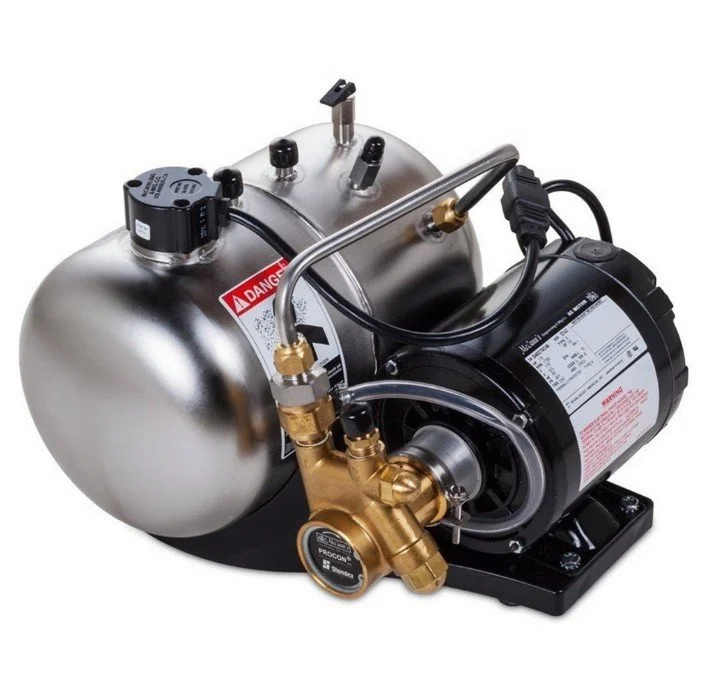
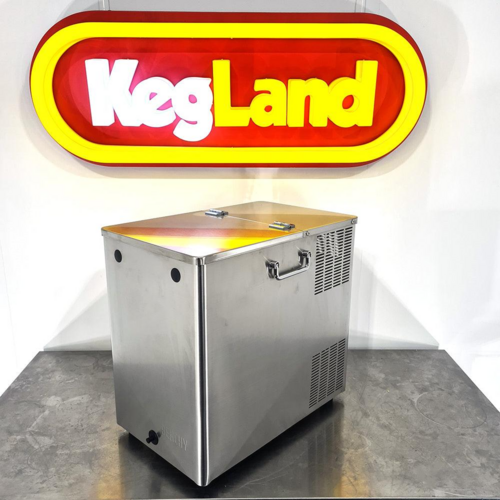
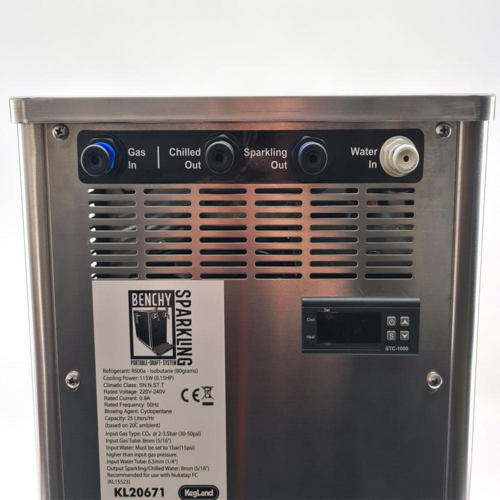
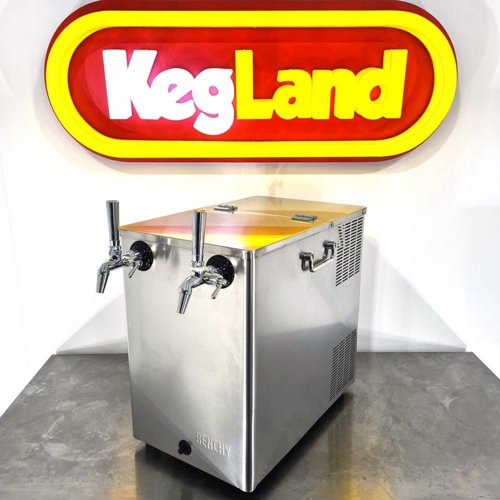
For those who want the ultimate convenience and a sleek addition to their kitchen, there are some higher-end options.
When budget isn't the primary concern, you've got units like the KegLand Benchy Sparkling Water Carbonator & Chiller, or McCann's Big Mac Soda Carbonator. These are countertop appliances that often combine carbonation and chilling capabilities. These machines are generally the most expensive, but they offer a lot of advantages. They're designed for ease of use, often with simple push-button operation, and they can carbonate water quickly and efficiently, sometimes even chilling it at the same time. Think of them as a dedicated sparkling water maker that goes above and beyond. If you're a true aficionado and want a seamless, high-quality experience with minimal fuss, these might be worth the investment.
Pros:
Ultimate Convenience: Designed for ease of use with minimal setup.
All-in-One Functionality: Often includes chilling and carbonation in a single unit.
Sleek Design: Aesthetically pleasing for kitchen countertops.
Fast Carbonation: Typically carbonates water very quickly.
Cons:
Highest Cost: Represents the most significant financial investment.
Limited Volume (per cycle): While convenient, the immediate output might be less than a full keg.
Proprietary Systems: Some designs may rely on specific CO2 cartridges or filters, potentially increasing ongoing costs.
Less Control: Depending on the make and model, users might have less granular control over the exact level of carbonation or with flavorings compared to keg systems.
A Quick Word on CO2 and Temperature
No matter which method you choose, remember that cold water is your best friend when it comes to carbonation. CO2 dissolves much more readily in colder liquids. So, chill your water thoroughly before you start the carbonation process.
Also, ensure you have a reliable CO2 source. Whether it's a small disposable cylinder for the single-bottle caps or a larger refillable tank for keg systems, having enough CO2 is crucial for consistent results.
Happy carbonating, and here's to a world of bubbly possibilities!
Cheers!