How to quickly convert between homebrew and store bought kegs.
Having the option to drink both kegs of beers you make and those you buy at the store is a great way to diversify your kegerator - as well as your pint glass! However, keeping dedicated taps for every beer is not always practical. Here are some ideas to make your system ready for quick and easy swaps between beverages.
What’s the difference between the two?
If you have only seen one kind of keg before, you may be confused why you need to switch at all. In America, most traditional kegs use Sanke D style keg couplers like these. While there are a few different styles, the common similarity is that the top “out” section will go to 3/16ths inch clear beverage tubing, while the side “in” port will go to 5/16ths” red tubing. These are connected onto the Sanke couplers with beer nuts and tail pieces.
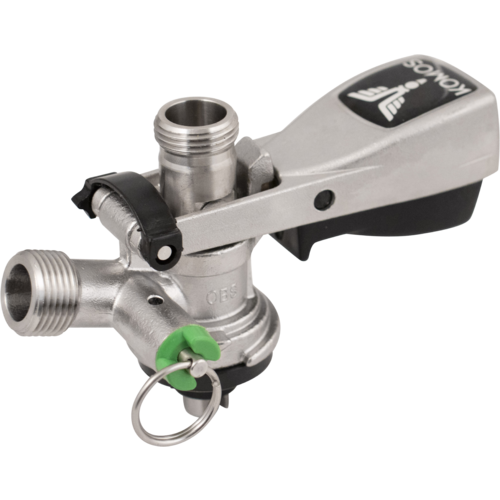
American Sanke “D” Coupler
Homebrew kegs, have two common connections - pin lock and ball lock. In either case, the 5/16th” red gas tubing connects to the grey “in” connector and the 3/16ths” beverage tubing connects to the black “out” connector. Each attaches to their respective ports on the kegs. See below examples:
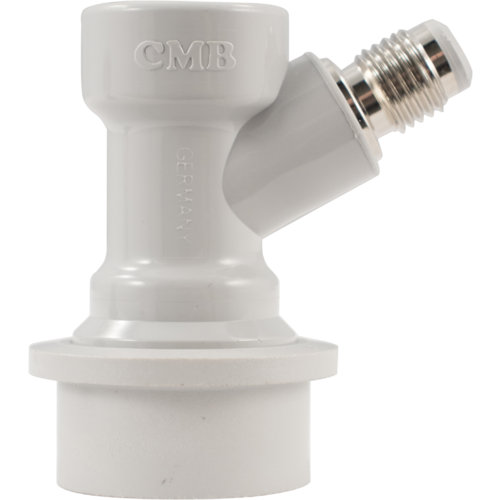
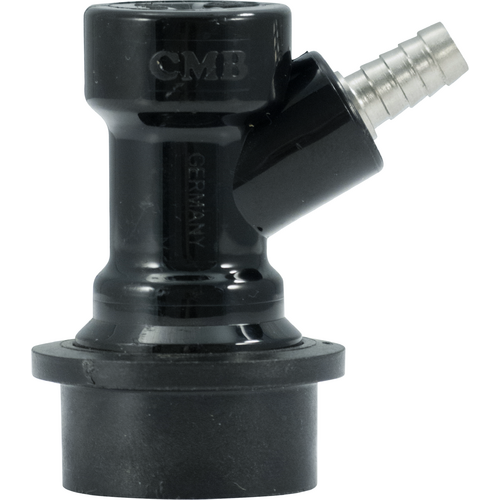
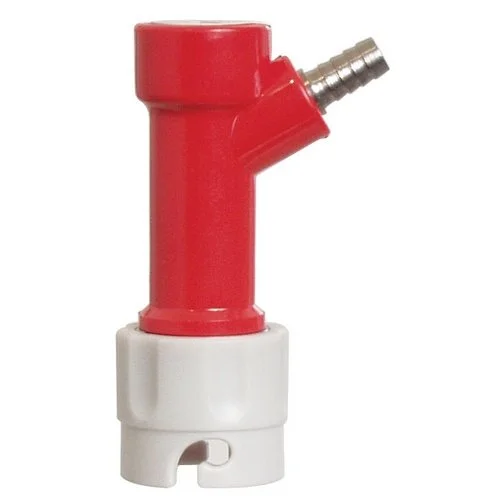
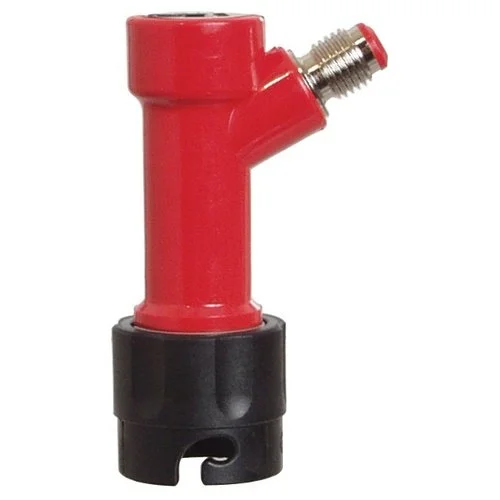
The most obvious solution would be to remove the tubing from the barbs of one coupler style and connect them to the other every time. While this will work, if you have ever tried to put on or remove the 3/16” beverage tubing from a ¼” barb, you know the process is not fun. You can cut the tubing, but you can only do that so many times before your pours suffer for it.
Here are three alternatives to make the swap much more manageable.
Swivel barbs
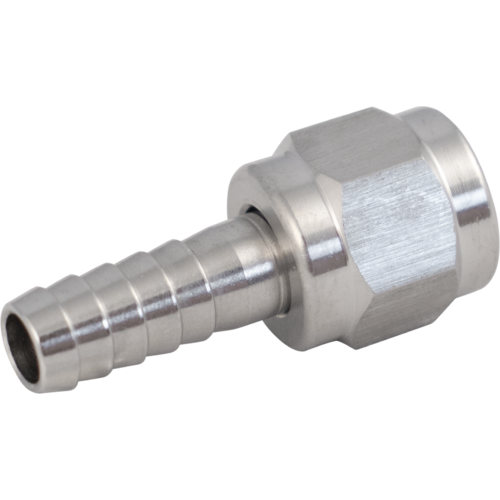
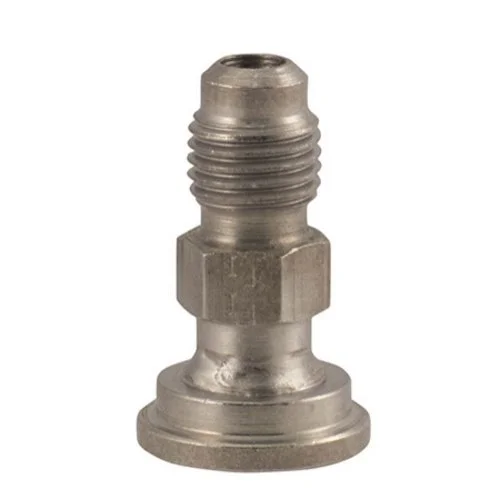
The most cost effective answer (besides pulling off the tubing each time) is the swivel connector. Instead of connecting your tubing directly to the coupler, you connect it to one of these ¼” mfl swivel barbs. The barb can be any size needed, but the universal flare fitting on the other makes the quick switches clear.
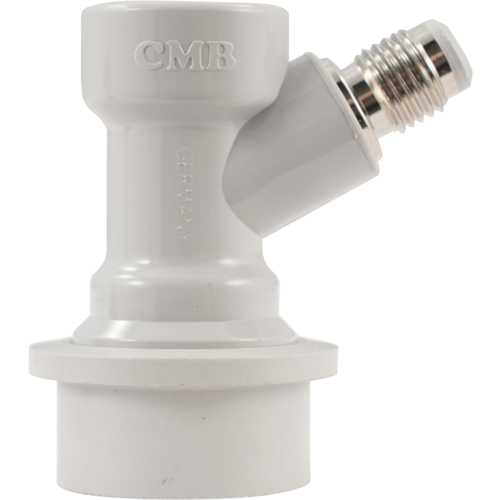
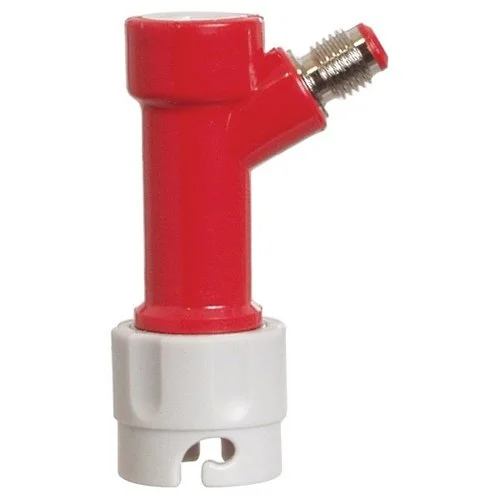
You then pair these with either a ¼” mfl flare tail piece for your sanke coupler like this one, or the flare style ball lock or pin lock adapters as seen below. When you want to switch, simply unscrew from one coupler and into the other.
The downside:
While these are the cheapest quick fixes to the problem, they still require a wrench to switch over each time, so not necessarily the best for frequent switches. They will still be holding pressure in the line, so the beer will drip out of the liquid side, and CO2 must be turned off. Also do not forget your flare washer each time, which is needed to make a good seal between the swivel and tailpiece.
2. In line quick disconnects
Another solution is having a cut in the middle of your tubing and placing an in-line barb to barb quick disconnect in. These are nice and out of the way options for frequent swaps, and have the option for including one way valves internally so that they can stop gas and beer from being released when disconnected.
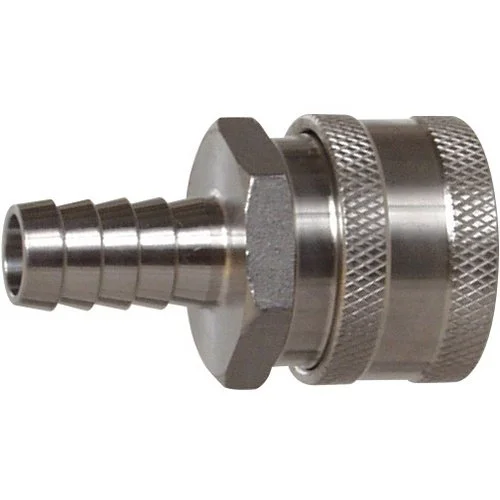
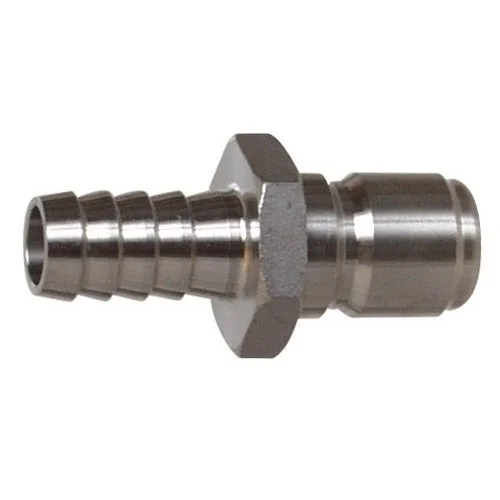
To utilize these, cut your traditional tubing in its middle, install the disconnect (be mindful of direction if a one way valve is installed!) and then connect to a coupler of choice. Next cut another piece of tubing to the same size and add another of the quick disconnects on one side of the tubing and connect to your other option of coupler. Finally, just switch tubes when you want to switch keg styles!
The downside
Having several different sides of the quick disconnections can become confusing and cumbersome to manage. While I think this works fine for the gas side of things, I never recommend adding any splicers or additions to the beverage side. Any additional components like this will often cause turbulence and foaming issues, and are rarely worth the convenience they provide.
3. Sanke to Ball Lock Adapters
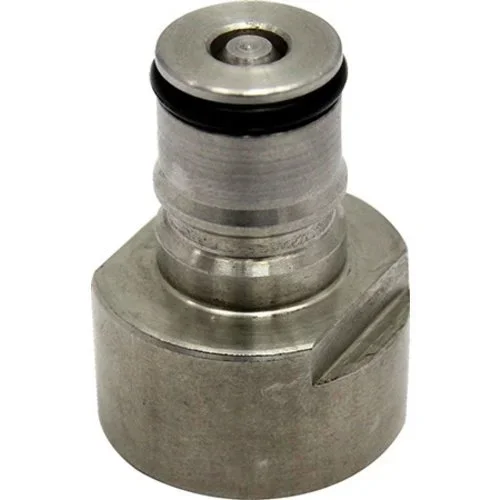
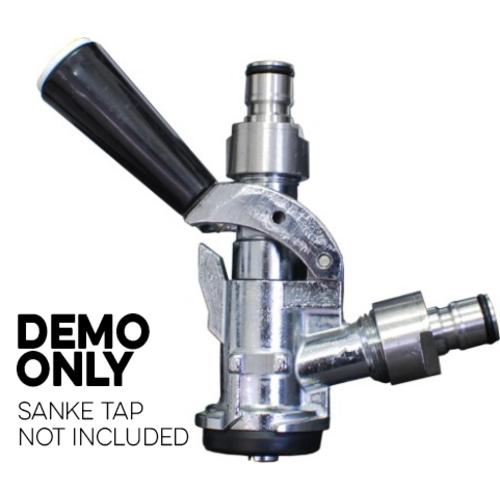
The final option, and in my opinion the best, is having adapters on your sanke coupler that allow you to clip ball lock disconnects directly to them. These adapters are easy to use and allow for an incredibly quick conversion between keg style. Additionally, the adapters and the ball lock disconnects both have flow stoppers imbedded in them when not connected to each other, so you do not need to worry about a mess or a co2 leak when alternating.
The downside
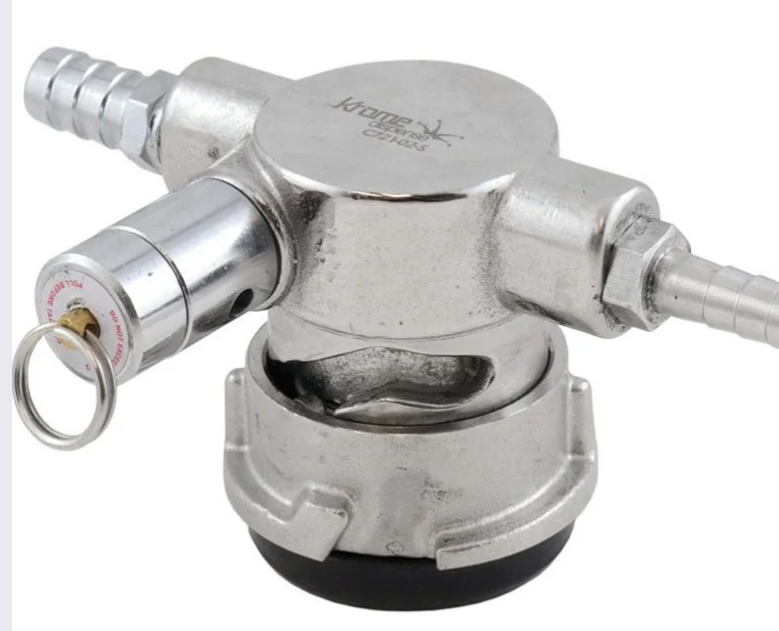
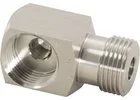
These adapters are only available in ball lock format, so if you use a pin lock there is not (yet) an option for you to do this. Also the extra height on your sanke coupler of both the adapter and the height of a ball lock disconnect may make the system not fit in smaller kegerators. A solution to this later problem would be getting a 90 degree adapter like these or having a low profile keg coupler like the one shown below.
If you need more help on your conversion, or have questions about a style outside this group, give us a shout. We are always happy to give suggestions or help on a new design!